There’s nothing more frustrating than walking into a bathroom or kitchen and being greeted by an unpleasant smell. A foul odor coming from your drains can make even the cleanest home feel uninviting. If your toilet or drainage smells stinky, it’s usually a sign that something is wrong in your plumbing system. The good news is that most causes of smelly drains are easy to identify and fix with a bit of attention.
In this post, we’ll explore the top seven reasons your drainage smells and provide simple, practical solutions to eliminate the odor for good.
1. Clogged Drains
One of the most common causes of stinky drains is a simple clog. Over time, hair, soap residue, grease, and food particles can accumulate in your pipes, slowing down the water flow and creating the perfect environment for bacteria to thrive.
Signs that your drains are clogged:
- Water drains slowly
- Gurgling noises when water flows
- Localized, persistent odor near the drain
Solutions:
- Use a plunger or a drain snake to remove blockages manually.
- Flush drains regularly with hot water to prevent buildup.
- A natural mixture of baking soda and vinegar can help break down debris and neutralize odor.
By keeping your drains clear, you can prevent your toilet or drainage from becoming stinky and avoid more serious plumbing issues later.
2. Dry P-Trap
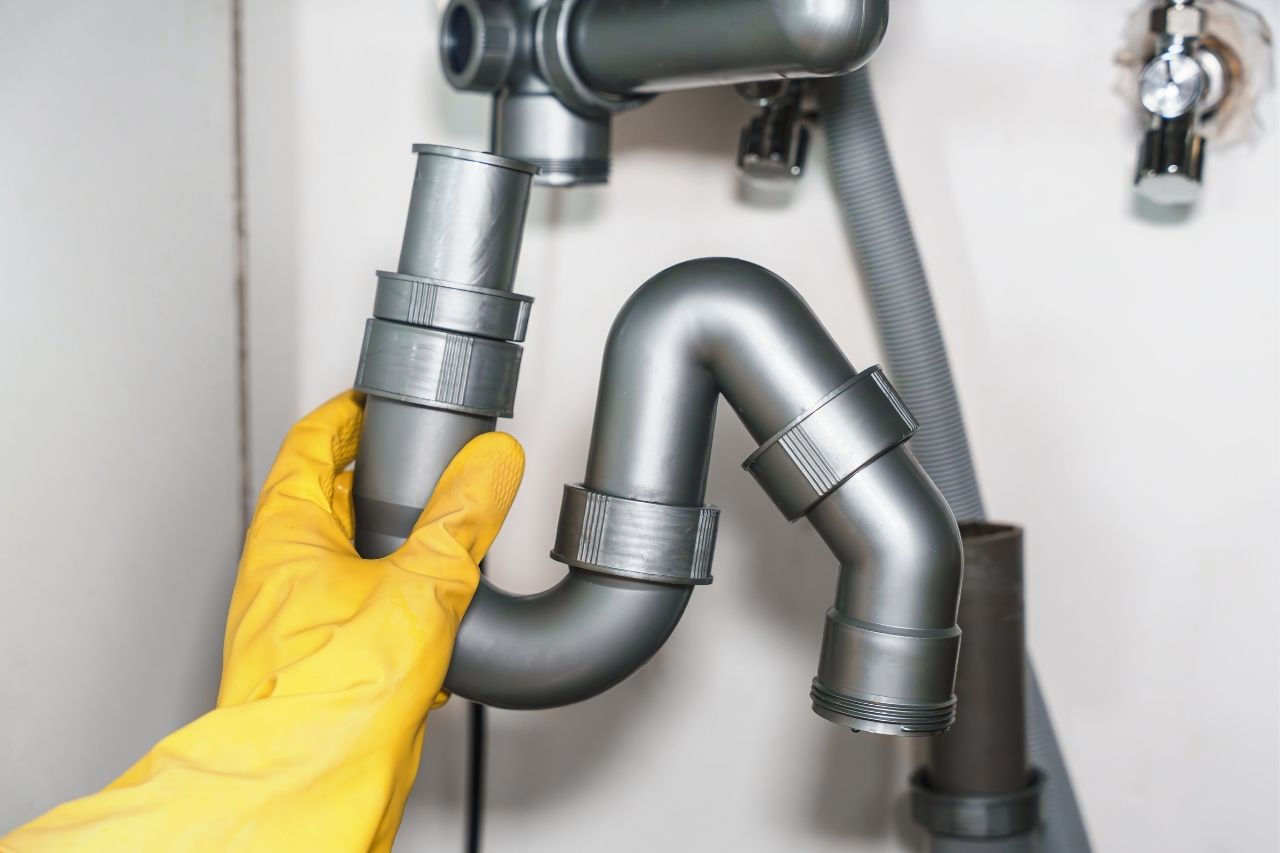
Even if your drains look clean, a dry P-trap can be the culprit behind a stinky bathroom. The P-trap is the U-shaped pipe beneath sinks, tubs, and toilets that holds water and prevents sewer gases from entering your home. If the water in the P-trap evaporates—especially in infrequently used drains—these gases escape and cause unpleasant odors.
Signs of a dry P-trap:
- Strong odor when entering a rarely used bathroom
- Gurgling sounds when water is run after a period of inactivity
Solutions:
- Run water through all drains regularly to ensure the P-trap stays filled.
- For drains rarely used, add a small amount of mineral oil on top of the water to slow evaporation.
Keeping the P-trap filled ensures your plumbing system blocks sewer gases, preventing a toilet or drainage from smelling stinky.
3. Bacterial Growth
Organic matter in your pipes, such as soap scum, food particles, and hair, provides an ideal environment for bacteria. As bacteria multiply, they produce waste that creates foul odors. This is often the cause behind persistent drainage smell that DIY cleaning alone doesn’t fix.
Signs of bacterial growth:
- Sour or rotten smell from the drain
- Odor remains even after visible cleaning
Solutions:
- Use enzyme-based cleaners to break down organic matter naturally without damaging pipes.
- Clean sink stoppers, shower drains, and strainers regularly to prevent buildup.
- Ensure water runs through your drains frequently to discourage bacterial colonies.
Addressing bacterial growth is essential for maintaining a fresh-smelling bathroom and preventing your toilet from developing a stinky odor over time.
4. Sewer Line Problems
Sometimes, the problem isn’t just in your drains—it’s in the main sewer line. Cracked, blocked, or misaligned sewer pipes can cause gases to back up into your home, creating a strong, unpleasant odor. This is especially common in older homes or homes with tree roots infiltrating underground pipes.
Signs of sewer line issues:
- Multiple drains in your home smell simultaneously
- Bubbling toilets or sinks
- Slow drainage throughout the house
Solutions:
- Call a professional plumber to inspect and repair sewer line issues.
- Regular maintenance, such as snaking or hydro-jetting the sewer line, can prevent future problems.
- Ensure proper venting is in place to allow sewer gases to escape safely outdoors.
Ignoring sewer line problems can turn a minor stinky toilet or drainage issue into a serious health hazard.
5. Mold or Mildew in Pipes
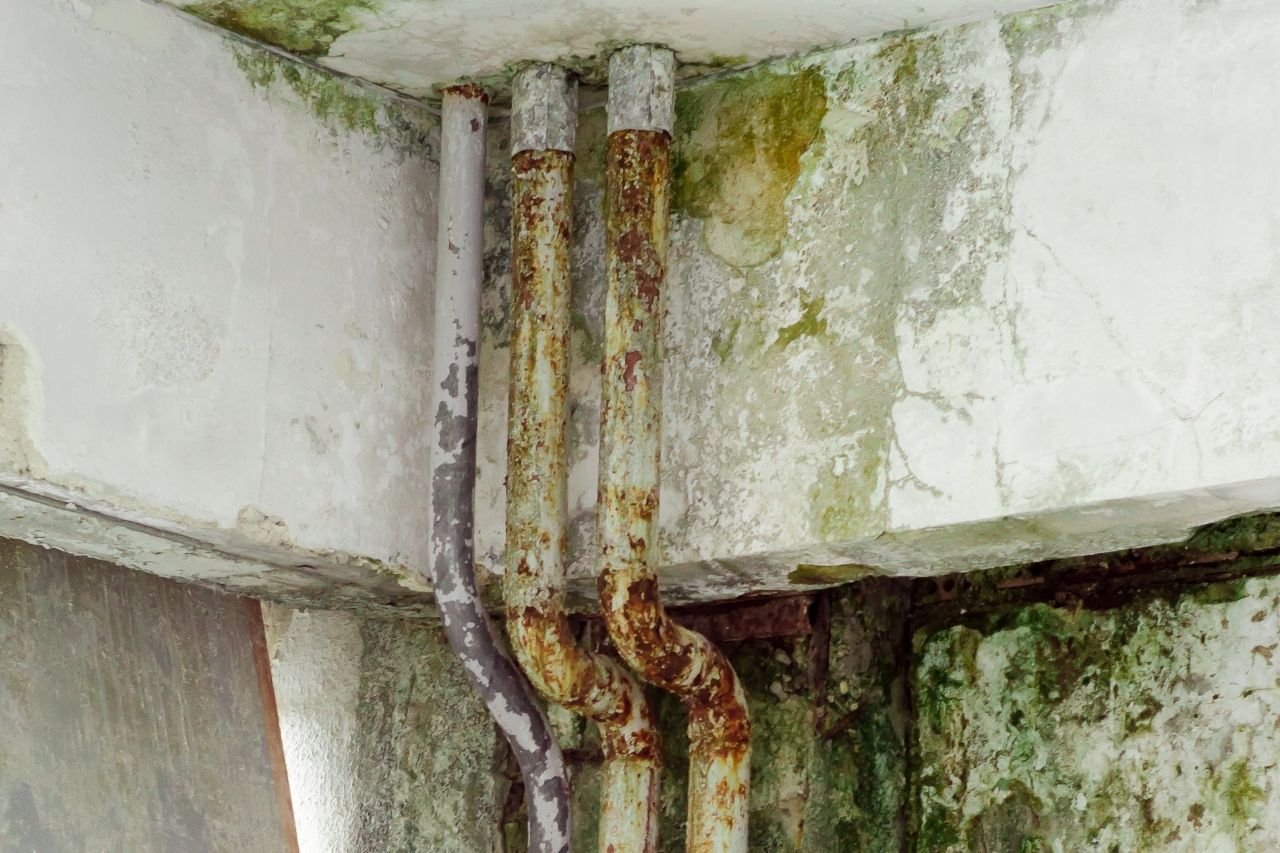
Mold and mildew thrive in moist, poorly ventilated areas. Drains, especially in bathrooms, provide just the right conditions for these fungi to grow. Over time, they can produce a musty, unpleasant smell that spreads throughout your home.
Signs of mold or mildew:
- Persistent musty odor near sinks, showers, or toilets
- Visible black or green growth around drain edges
Solutions:
- Scrub drain openings and surrounding areas with a bleach solution or specialized mold cleaner.
- Improve ventilation in bathrooms by using exhaust fans or opening windows.
- Regularly inspect hidden areas under sinks for moisture buildup.
Taking these steps ensures that mold or mildew doesn’t contribute to a toilet or drainage smell, keeping your home fresh and healthy.
6. Garbage Disposal Issues
If your kitchen sink smells stinky, the garbage disposal may be to blame. Food debris can get trapped in the disposal unit, rot, and create a persistent odor. This is one of the most common reasons for a drainage smell in the kitchen.
Signs of a garbage disposal odor:
- Foul smell emanating from the kitchen sink
- Drainage smells return quickly even after cleaning
Solutions:
- Run ice cubes and citrus peels through the disposal to scrub away stuck particles.
- Flush the disposal with hot water after each use.
- Avoid pouring grease or fibrous food items down the drain.
Proper garbage disposal maintenance prevents your kitchen drains from smelling stinky and keeps your plumbing system running smoothly.
7. Ventilation Problems
Proper plumbing venting is crucial for maintaining odor-free drains. Vent pipes allow air to circulate, ensuring smooth water flow and preventing sewer gases from backing up into your home. When vents are blocked or missing, the result can be slow drainage and persistent odor.
Signs of venting issues:
- Gurgling or bubbling sounds when drains are in use
- Slow water drainage
- Multiple stinky drains despite cleaning
Solutions:
- Inspect roof vent stacks and remove any debris blocking airflow.
- Hire a professional plumber to correct or install proper venting if necessary.
Good ventilation not only prevents your toilet and drains from smelling stinky but also ensures your plumbing system functions efficiently.
Conclusion
A stinky toilet or drainage smell is never pleasant, but in most cases, the cause is identifiable and fixable. From simple clogs and dry P-traps to bacterial growth, sewer line problems, mold, garbage disposal issues, and ventilation problems, each cause has a solution that can restore freshness to your home.
Quick tips to prevent odor:
- Run water through all drains regularly
- Clean drains, strainers, and garbage disposals frequently
- Use enzyme cleaners to reduce bacterial buildup
- Ensure proper plumbing venting
By addressing these issues promptly and maintaining your plumbing system, you can keep your home free from toilet and drainage odors. And if the smell persists despite your best efforts, it’s always wise to call a professional plumber to inspect for underlying issues. Your nose—and your family—will thank you.