Efficient plumbing is often overlooked until a problem arises. Whether in a home, commercial building, or industrial facility, a reliable plumbing system is crucial for maintaining hygiene, comfort, and operational efficiency. One of the key components that ensure smooth wastewater management is the combination of waste-lift pump and high-drain lift pump. These systems work together to prevent blockages, handle large volumes of wastewater, and reduce maintenance costs, ensuring that your plumbing operates seamlessly.
In this article, we explore how these pumps function, their benefits, and why incorporating both into your plumbing system can save time, money, and frustration.
Understanding Waste-Lift Pumps
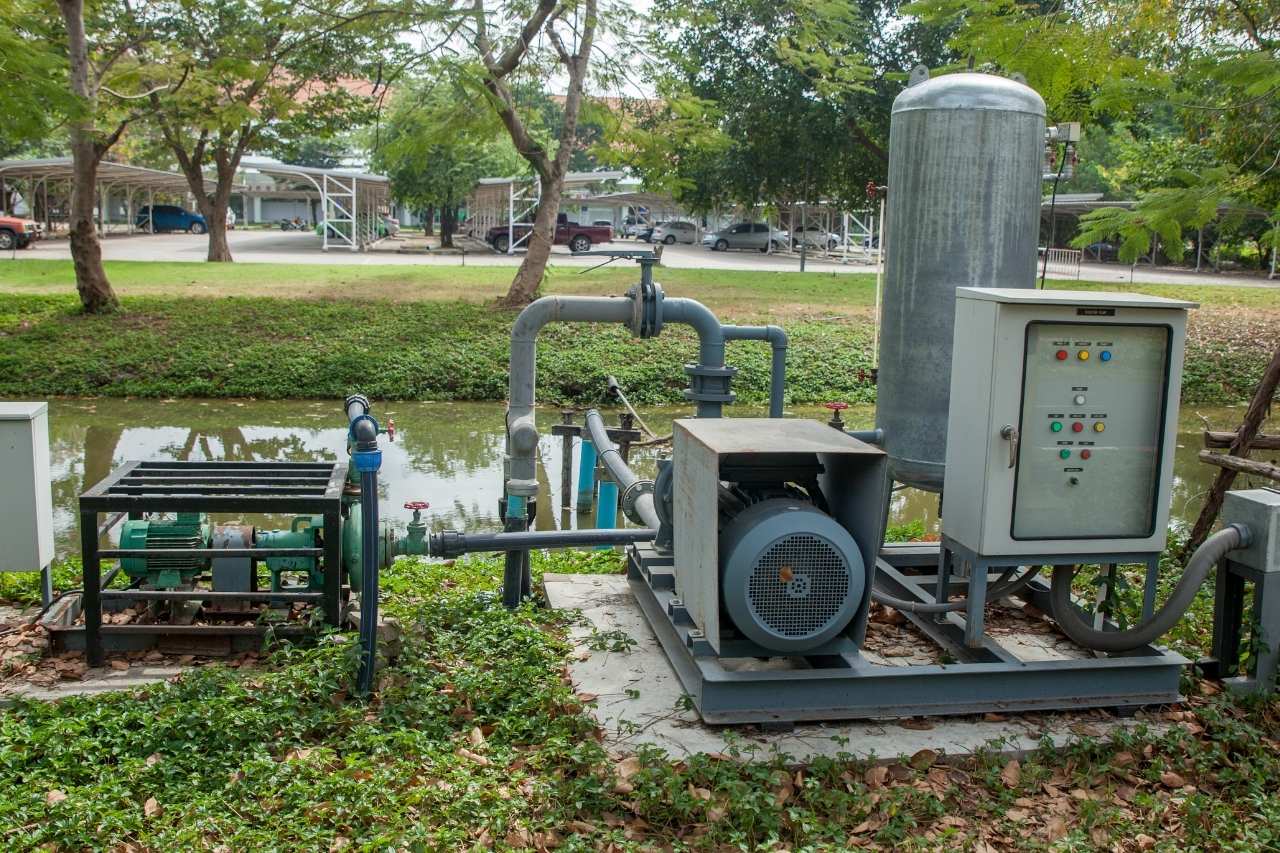
A waste-lift pump is a device designed to move wastewater from a lower elevation, such as a basement or below-grade bathroom, up to the main sewer line or drainage system. Without such a pump, wastewater from areas below the primary sewer level would struggle to drain efficiently, leading to blockages, slow drainage, or even backflow.
The installation of a waste-lift pump ensures that wastewater moves efficiently from sinks, showers, toilets, and other fixtures. This not only protects your home or building from plumbing emergencies but also keeps the system working at optimal performance.
Benefits of a Waste-Lift Pump:
- Efficient wastewater removal: Prevents pooling or backflow in low-lying areas.
- Reduces the risk of sewer overflow: Protects your property from costly damage.
- Long-term savings: Minimizes wear and tear on your plumbing system.
For homes with multiple levels or commercial spaces with complex layouts, a waste-lift pump is no longer optional—it is essential. Regular inspection and maintenance of these pumps can extend their lifespan and maintain the efficiency of your plumbing system.
Understanding High-Drain Lift Pumps
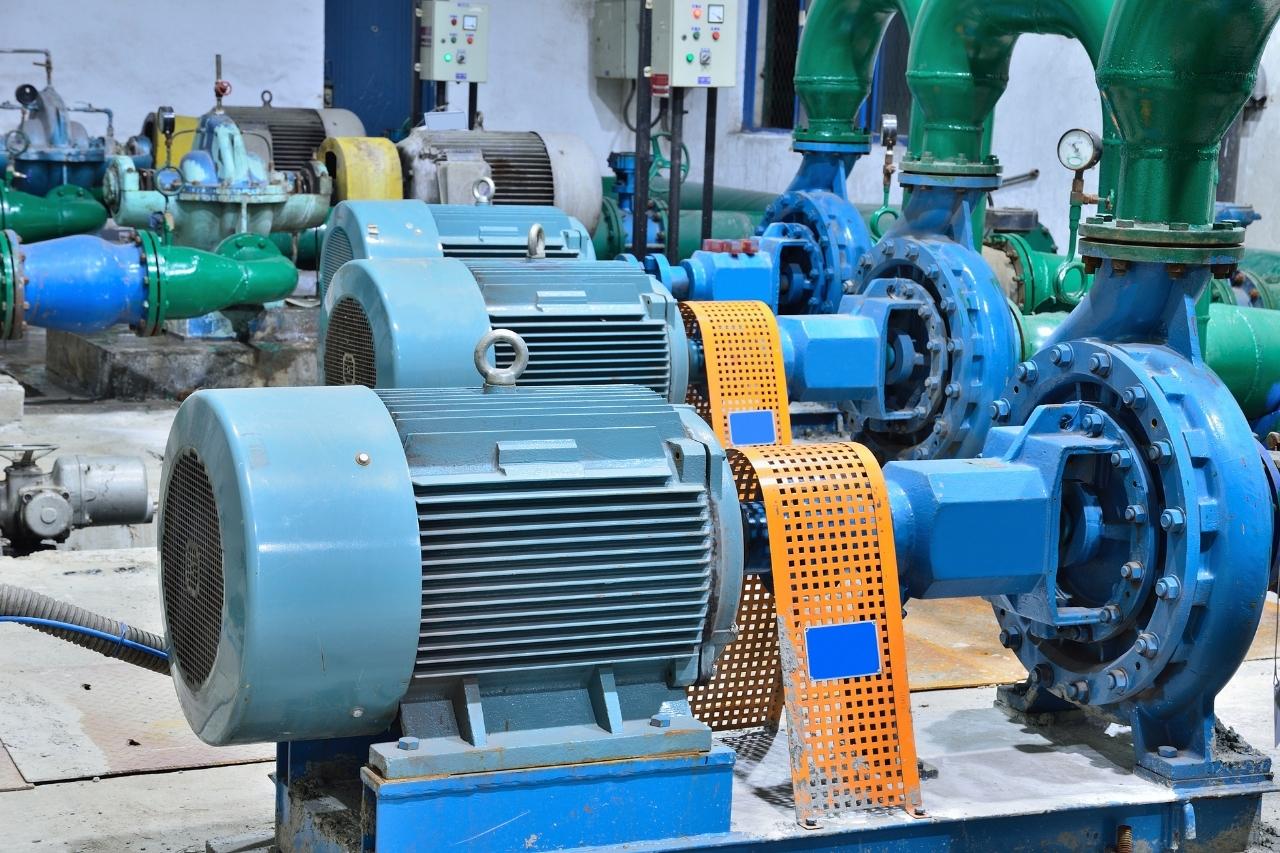
While waste-lift pumps handle typical household wastewater, a high-drain lift pump is designed to manage large volumes of water and waste efficiently. These pumps are common in commercial kitchens, multi-story apartment buildings, and industrial facilities where high-capacity drainage is required.
High-drain lift pumps ensure that water flows quickly through the drainage system, reducing the risk of clogs and maintaining a smooth operation even during peak usage. Their robust design allows them to handle solids and liquids that standard pumps might struggle with, making them indispensable for high-demand environments.
Why a High-Drain Lift Pump Matters:
- Handles large waste loads: Prevents overflow during busy periods.
- Maintains optimal flow rates: Ensures consistent drainage without backups.
- Reduces wear on pipes: Minimizes the risk of long-term damage caused by slow drainage.
Installing a high-drain lift pump provides peace of mind, especially for commercial or multi-residential properties, where slow or blocked drainage could lead to significant disruptions or health hazards.
How Waste-Lift Pump and High-Drain Lift Pump Work Together
Combining a waste-lift pump with a high-drain lift pump enhances plumbing efficiency across various applications. In residential settings, the waste-lift pump takes care of lower-level fixtures, ensuring that all wastewater reaches the main drainage line. Meanwhile, a high-drain lift pump manages larger flows from kitchens, laundry areas, or commercial setups.
System Advantages of Using Both Pumps:
- Reduced blockages: Each pump handles the flow it is designed for, minimizing clog risks.
- Improved wastewater flow: Wastewater moves smoothly through the system without backups.
- Lower maintenance costs: Proper handling of waste reduces wear and tear on pipes and fixtures.
By strategically installing both pumps, property owners can create a plumbing system that handles everyday use and high-demand situations alike. This combination ensures long-term reliability and reduces the likelihood of emergency repairs.
Maintenance Tips for Maximum Efficiency
Even the best pumps require regular maintenance to operate efficiently. Maintaining your waste-lift pump and high-drain lift pump ensures they function correctly and extends their service life.
Here are some essential maintenance tips:
- Regular inspections: Check for any signs of wear, leaks, or unusual noises.
- Professional servicing: Schedule routine maintenance with a licensed plumber to keep pumps in peak condition.
- Cleaning and replacement: Remove debris, replace worn parts, and ensure the pumps are free from obstruction.
DIY Tips for Minor Upkeep:
- Monitor pump alarms or warning systems for any irregularities.
- Inspect valves and connecting pipes for signs of damage or leaks.
- Listen for unusual vibrations or noises, which could indicate a blockage or mechanical issue.
Following these maintenance practices can prevent major plumbing issues, keeping both the waste-lift pump and high-drain lift pump running efficiently for years.
Common Issues and Troubleshooting
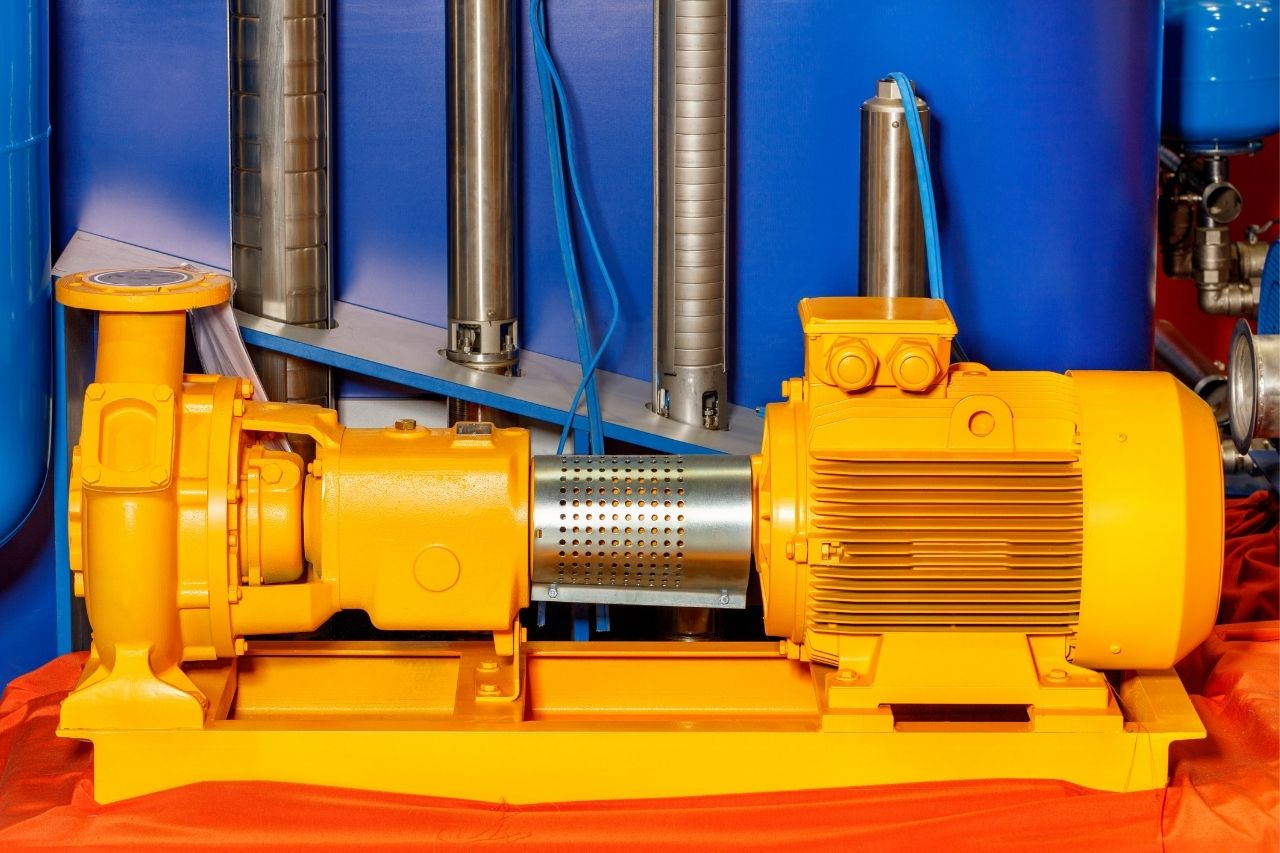
Despite their robust design, both waste-lift pumps and high-drain lift pumps can experience problems if not properly maintained or used.
Some common issues include:
- Clogging: Often caused by inappropriate waste disposal, such as grease, wipes, or large solids.
- Mechanical failure: Overuse or lack of lubrication can lead to worn impellers or motor failure.
- Odor problems: Waste trapped in the system can cause unpleasant smells if the pump isn’t functioning correctly.
Practical Solutions:
- Clear minor blockages safely using manufacturer-recommended methods.
- Replace worn components, such as impellers or seals, to restore pump efficiency.
- Ensure proper installation and follow usage guidelines to prevent future issues.
Promptly addressing these issues reduces downtime, prevents damage to your property, and maintains optimal plumbing performance.
Conclusion
The combination of a waste-lift pump and high-drain lift pump is a game-changer for plumbing efficiency. By handling wastewater effectively and reducing the risk of blockages, these pumps ensure smooth drainage and lower maintenance costs. Proper installation, regular maintenance, and timely troubleshooting are key to maximizing their benefits.
For homeowners and commercial property managers, assessing your plumbing system and incorporating both pumps can prevent costly emergencies and improve the overall functionality of your property. Investing in these systems today ensures a more reliable, efficient, and worry-free plumbing system for years to come.