
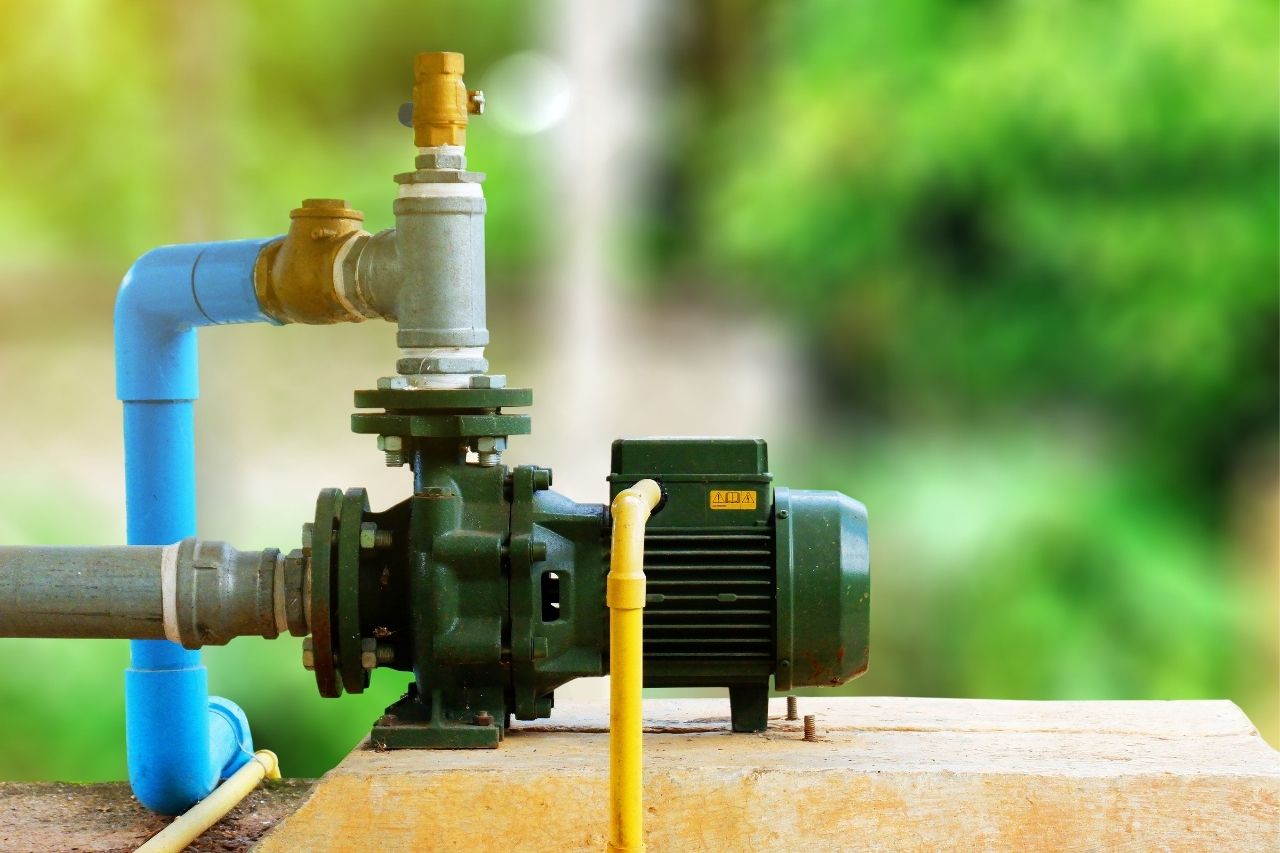
Low water pressure is a common issue in homes and offices, yet it often goes unnoticed until it starts causing real problems. A weak shower, slow-filling taps, or underperforming appliances can turn daily routines into a frustrating experience. Fortunately, a practical solution exists that can restore consistent water pressure without extensive plumbing work: the booster pump.
In this article, we’ll explore the causes of low water pressure, how booster pumps work, and why they are an effective solution for homes and commercial spaces alike.
Understanding Low Water Pressure
Before diving into solutions, it’s essential to understand what low water pressure actually means. In simple terms, water pressure refers to the force at which water flows through pipes and out of taps. When this pressure is too low, water flow is weak and inconsistent, making everyday tasks more challenging.
Several factors can contribute to low water pressure, including:
- Aging or corroded pipes that restrict water flow
- Problems with the municipal water supply
- Multiple outlets being used simultaneously in a home or office
- Water leaks or blockages in the plumbing system
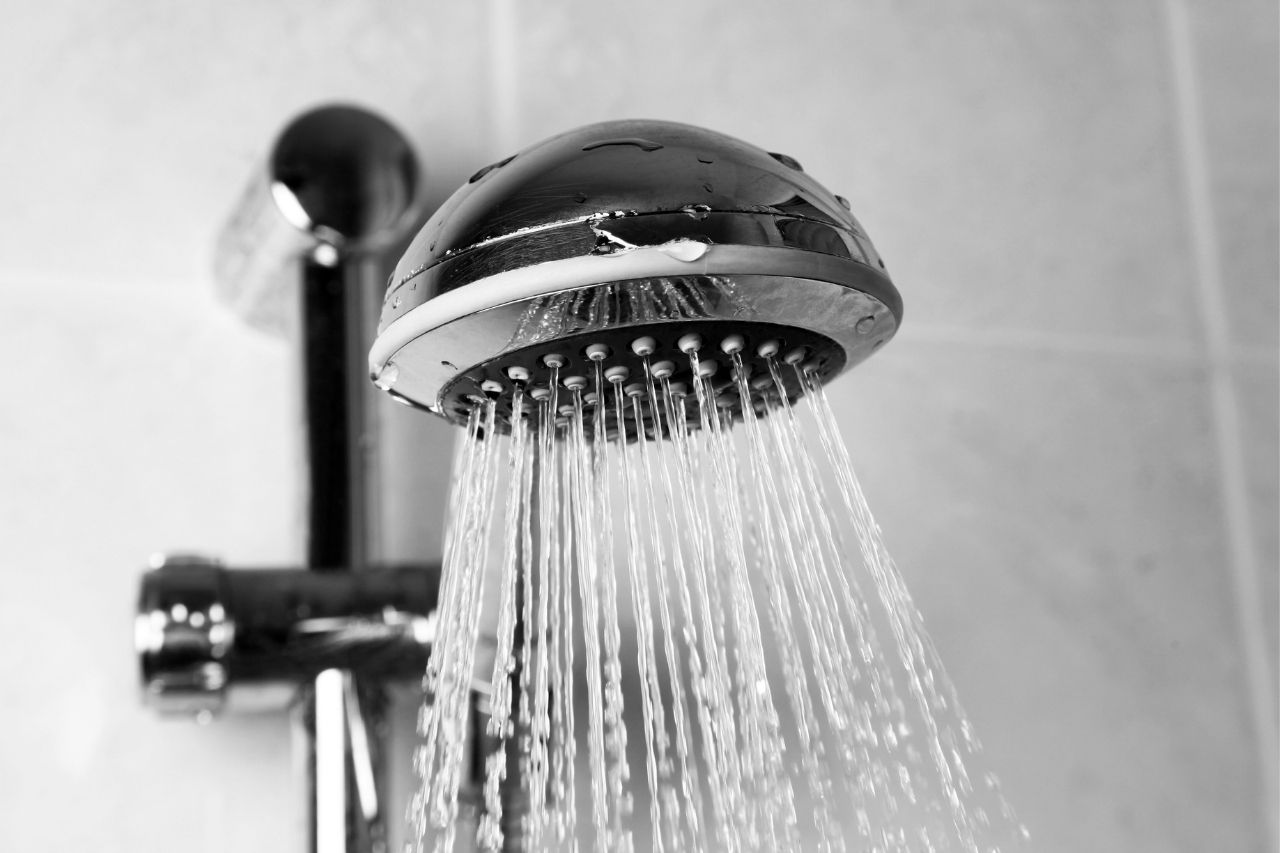
Low water pressure doesn’t just make showers and faucets less enjoyable; it can also affect appliances like dishwashers, washing machines, and water heaters. Imagine waiting twice as long for a dishwasher to fill or struggling with a trickling shower every morning. It’s an inconvenience that can impact both comfort and efficiency.
What Is a Booster Pump?
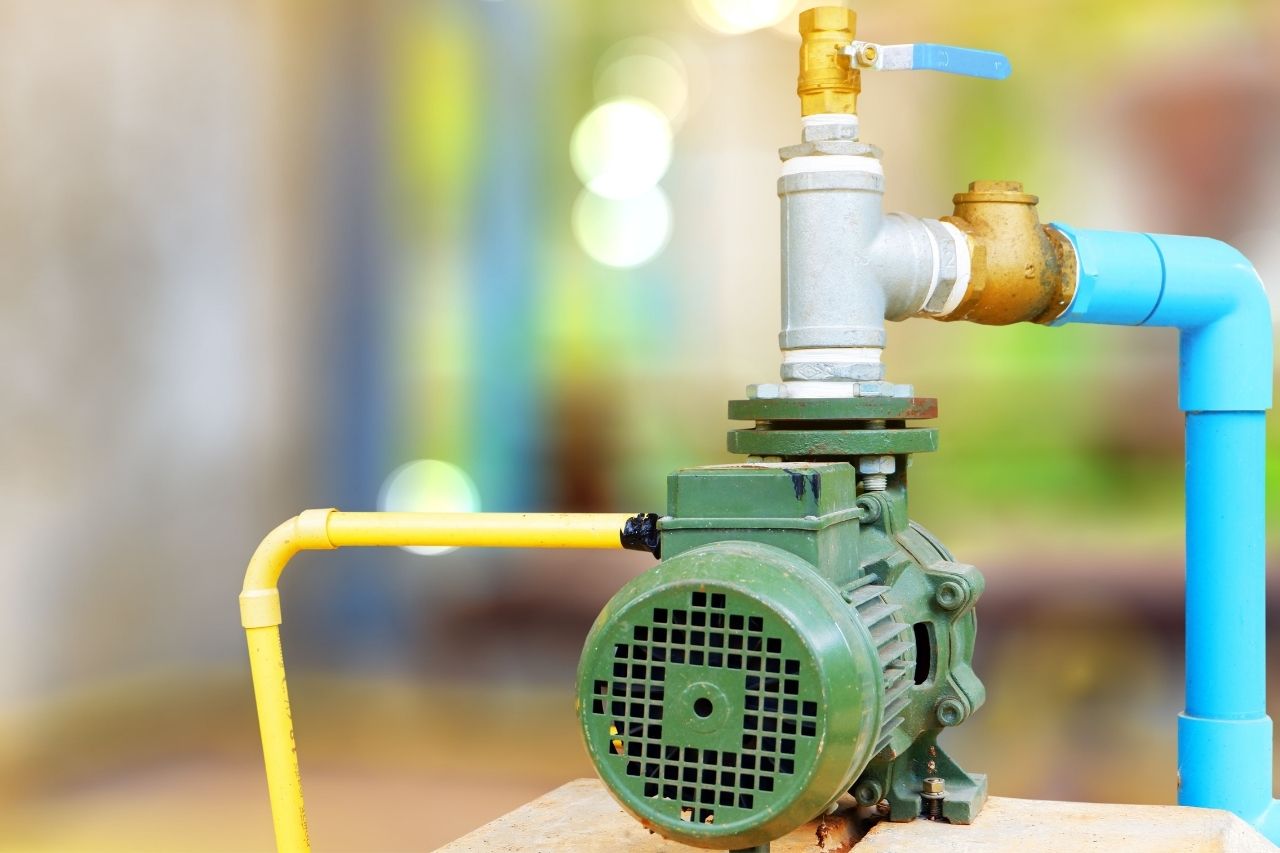
A booster pump is a device designed to increase water pressure in a plumbing system. It works by drawing water from the main supply and pushing it through pipes at a higher pressure, ensuring a consistent and reliable flow. Booster pumps can be used in various settings, from single-family homes to multi-storey buildings, where water pressure tends to drop at higher levels.
There are different types of booster pumps available, including:
- Single-stage vs. multi-stage: Single-stage pumps are ideal for small-scale applications, while multi-stage pumps provide higher pressure for larger buildings.
- Domestic vs. commercial: Domestic pumps are designed for homes, while commercial pumps can handle higher volumes and continuous usage.
Installing a booster pump can be a straightforward way to address water pressure issues without replacing pipes or undertaking costly plumbing renovations.
Benefits of Using a Booster Pump
The advantages of installing a booster pump extend beyond simply increasing water pressure. Here are some of the key benefits:
- Improved water flow: Every faucet and shower can deliver a steady stream, eliminating weak and inconsistent taps.
- Better appliance performance: Appliances like dishwashers, washing machines, and water heaters operate efficiently when supplied with adequate pressure.
- Energy efficiency: Modern booster pumps are designed to consume minimal electricity while delivering maximum pressure.
- Cost-effective solution: Compared to re-piping a home or building, installing a booster pump is significantly more affordable and less disruptive.
Bullet points summarizing benefits:
- Consistent water pressure throughout the property
- Supports multiple water outlets simultaneously
- Reduces stress on existing plumbing systems
- Enhances overall comfort and convenience
With these advantages in mind, it’s easy to see why booster pumps are becoming a popular solution for both residential and commercial buildings.
How to Determine If You Need a Booster Pump
Not every property requires a booster pump, so it’s important to assess whether your water pressure issues warrant one. Signs that indicate a booster pump might be needed include:
- Weak showers even when taps elsewhere in the home are not in use
- Appliances taking longer than usual to operate
- Water pressure drops during peak usage hours
- Sudden fluctuations in water flow between different outlets
While some simple DIY checks can provide a rough estimate, it’s often best to consult a professional to assess the specific needs of your property. They can measure water pressure accurately and recommend the right pump size for optimal performance.
Choosing the Right Booster Pump
Selecting the right booster pump requires consideration of several factors:
- Flow rate: Measured in liters per minute (L/min), the flow rate determines how much water the pump can deliver.
- Pressure requirements: Measured in bars or psi, this ensures the pump provides sufficient force for all outlets.
- Power source: Most pumps are electric, but some models offer solar options for energy-conscious users.
- Space and installation: Consider the physical dimensions and location of the pump for easy access and maintenance.
Choosing the correct pump size is crucial. An undersized pump may not adequately improve water pressure, while an oversized pump can be more costly to operate and maintain. Consulting with an experienced installer can save both time and money in the long run.
Installation and Maintenance
A booster pump works best when installed and maintained properly. While some homeowners attempt DIY installation, professional setup ensures safety and optimal performance. Proper installation includes securing the pump, connecting it to the main water supply, and calibrating the pressure settings.
Once installed, maintenance is relatively simple but essential for longevity:
- Regularly clean filters to prevent blockages
- Check pressure settings periodically to maintain efficiency
- Inspect pumps for wear and tear or unusual noises
- Ensure electrical connections are safe and secure
Proper upkeep ensures your booster pump operates efficiently for years, delivering consistent water pressure without unexpected breakdowns.
Cost Considerations
The cost of a booster pump varies depending on size, type, and installation complexity. On average:
- Small domestic pumps can cost between $200–$500
- Larger commercial pumps range from $1,000–$3,000 or more
- Professional installation can add $200–$600 depending on complexity
Despite these costs, a booster pump can save money in the long term by reducing water waste, improving appliance efficiency, and avoiding expensive plumbing overhauls.
Conclusion
Low water pressure can disrupt daily routines, reduce appliance efficiency, and cause unnecessary frustration. Installing a booster pump is a practical and cost-effective solution that ensures consistent water flow throughout your home or office.
By understanding your water pressure needs, choosing the right booster pump, and maintaining it properly, you can enjoy steady water pressure and reliable performance for years to come. Whether it’s for a single-family home, a multi-storey building, or a commercial space, a booster pump offers a simple yet effective way to address low water pressure problems.