Hearing a loud banging or knocking noise from your pipes can be more than just a nuisance—it’s often a sign that your plumbing system is under stress. Many homeowners describe this phenomenon as a “hammering sound” in the pipes, which can range from a minor irritation to a potential cause for concern. Understanding why these noises occur and how to address them is crucial for maintaining a safe and efficient plumbing system.
While the sudden “bang” might make you jump, it’s usually related to the way water flows through your pipes. When left unchecked, these hammering sounds can cause long-term damage, including pipe leaks or joint failures. In this guide, we’ll explain what a hammering sound is, what causes it, and how you can prevent it from disrupting your home.
What Is a Hammering Sound in Pipes?
A hammering sound is essentially a loud, sharp noise that occurs when water in your plumbing system stops or changes direction suddenly. Plumbers often refer to this as a “water hammer.” It happens because water, which moves under pressure, has mass. When it’s forced to stop abruptly—such as when a tap closes quickly—it creates a shockwave that reverberates through the pipes, producing that characteristic banging noise.
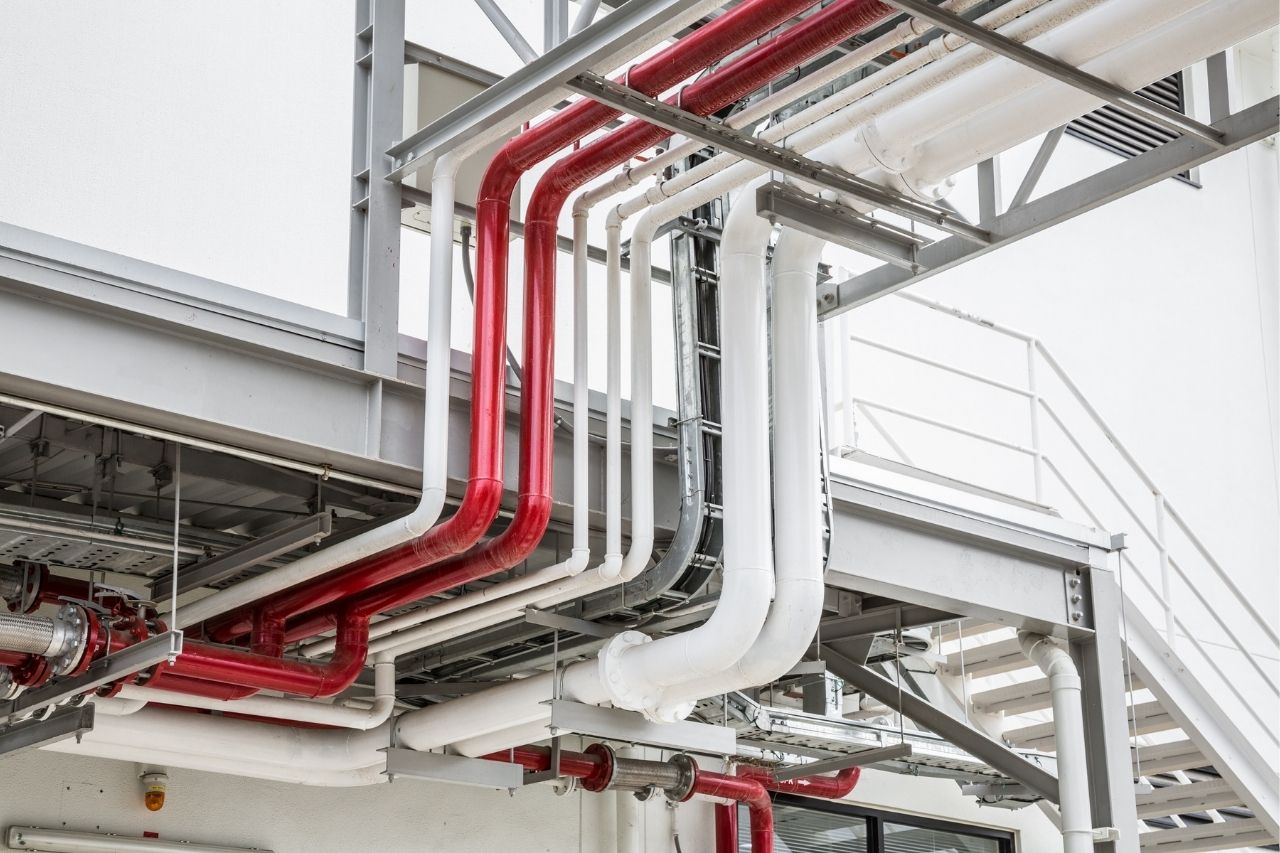
These noises are more than just a nuisance. Persistent hammering sounds can stress your plumbing system, loosening joints, weakening pipe supports, and sometimes leading to leaks. Homeowners might notice vibrations in walls, ceilings, or floors, particularly near the main water supply lines or near appliances that use water, such as washing machines or dishwashers.
Common indicators of hammering sounds:
- Sudden loud bangs when turning off taps or appliances
- Vibrations or rattling of pipes inside walls or floors
- Occasional leaks or drips at joints
- Pipe movement when water flow stops abruptly
Common Causes of Hammering Sounds
Several factors can contribute to hammering sounds in pipes. Understanding these causes can help you identify the right solution.
1. Water Hammer
This is the most frequent culprit. Water hammer occurs when high-pressure water is forced to stop suddenly, creating a shockwave. It’s particularly common in homes with fast-closing valves on appliances like dishwashers or washing machines.
2. Loose Pipes
If your pipes aren’t properly secured with brackets or clamps, they can move and hit walls when water flows suddenly, amplifying the noise. Older homes are especially prone to this issue.
3. Faulty Valves
Valves that malfunction or close too quickly can contribute to hammering sounds. For instance, a partially defective washing machine valve may release water unevenly, causing vibrations in the system.
4. Air in Pipes
Air trapped inside pipes can create pockets that amplify noise when water flows through. This is usually due to improper installation or after plumbing work that hasn’t been properly bled.
5. Temperature Changes
Hot water pipes expand and contract as water temperature changes, which can occasionally produce a banging sound. Though usually minor, repeated expansion and contraction can stress pipe joints over time.
Bullet points to check:
- Are appliance valves closing too quickly?
- Are pipes secured with sufficient clamps?
- Is there trapped air inside your plumbing system?

Signs That It’s More Than Just Noise
While occasional hammering sounds are not always alarming, persistent or severe noises may indicate more serious plumbing problems. It’s important to differentiate between minor annoyances and potential damage to your home’s plumbing system.
Warning signs include:
- Continuous banging throughout the day
- Visible pipe movement or wall damage
- Dripping or leaking at pipe joints
- Sudden drops in water pressure
Ignoring these signs can result in more significant issues, such as pipe bursts or water damage, which can be costly to repair. Paying attention to these early indicators can save you from future headaches and extensive plumbing repairs.
DIY Fixes for Hammering Sounds
Many minor hammering sounds can be resolved with simple home solutions. Here are some practical approaches you can try before calling a professional.
1. Install Water Hammer Arrestors
These devices absorb the shock caused by sudden water stoppage. They’re easy to install near appliances or at strategic points along the main water line and can significantly reduce noise.
2. Secure Loose Pipes
Check your pipes and ensure they are properly fastened with pipe clamps or brackets. Tightening loose pipes prevents them from banging against walls or floors.
3. Adjust Water Pressure
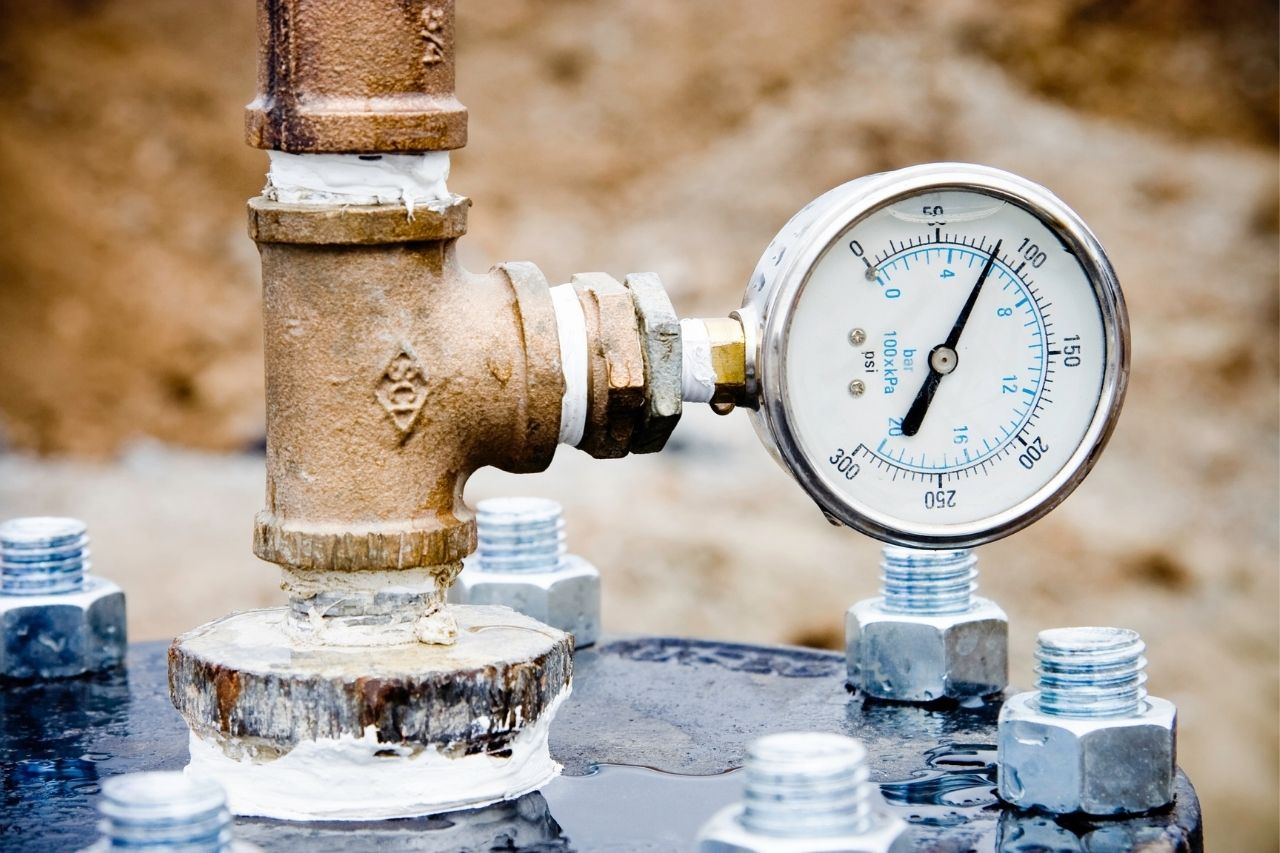
High water pressure increases the likelihood of water hammer. Installing a pressure-reducing valve or adjusting your existing system can reduce the intensity of banging sounds.
4. Bleed Air from Pipes
Trapped air can cause loud noises in your system. Opening all faucets and running water for a few minutes can help release air pockets. Start with the highest tap in the house and work downward to the lowest.
Quick DIY checklist:
- Inspect pipe brackets and secure loose pipes
- Check and adjust water pressure to recommended levels
- Install water hammer arrestors if necessary
- Release trapped air from plumbing system
When to Call a Professional Plumber
Sometimes, hammering sounds indicate issues that require expert attention. DIY fixes may help with minor problems, but persistent or severe noises should be evaluated by a licensed plumber. Professional assessment ensures that any hidden issues, such as damaged valves, failing pipe supports, or excessive pressure, are addressed before they escalate.
Situations requiring professional help:
- Noise persists despite DIY adjustments
- Evidence of leaks or pipe movement
- Sudden water pressure drops affecting multiple fixtures
- Repeated hammering after new installations or plumbing work
Calling a professional can prevent small issues from turning into costly repairs. A plumber can install the right solutions, ensure that your pipes are properly secured, and provide advice on long-term maintenance to keep your plumbing quiet and efficient.
Preventing Hammering Sounds in the Future
Prevention is always better than cure when it comes to plumbing. Regular maintenance and thoughtful upgrades can reduce the likelihood of hammering sounds recurring.
Tips for prevention:
- Conduct routine inspections of your plumbing system
- Secure loose pipes with brackets and clamps
- Install pressure-reducing valves if necessary
- Maintain appliances that use water, like washing machines and dishwashers
- Upgrade old pipes or valves prone to rapid closure
By addressing minor issues early and ensuring your plumbing system is in good condition, you can enjoy a quieter home and avoid the risks associated with hammering sounds.
Conclusion
Hearing a hammering sound in your pipes can be alarming, but understanding its causes and solutions makes it manageable. Whether it’s due to water hammer, loose pipes, or faulty valves, addressing these issues promptly prevents long-term damage and costly repairs. While simple DIY fixes often work for minor cases, persistent noise or evidence of leaks warrants professional intervention.
By taking proactive measures—such as securing pipes, adjusting water pressure, and installing water hammer arrestors—you can prevent hammering sounds and keep your plumbing system functioning smoothly. Remember, a quiet home starts with a well-maintained plumbing system, and addressing these noises today can save headaches tomorrow.