Proper plumbing is one of the cornerstones of a functional home or commercial space, yet it often goes unnoticed—until a problem arises. Among the essential components in modern plumbing systems, the waste-lift pump / high-drain lift pump plays a critical role. It ensures wastewater from lower areas like basements or commercial kitchens is efficiently lifted and discharged into main drainage systems. When this pump fails or shows early warning signs, the consequences can range from slow drainage to severe flooding, which can damage property and cause costly repairs.
Recognizing the signs of a failing waste-lift pump / high-drain lift pump is vital. Prompt action can prevent small issues from becoming large plumbing emergencies. In this article, we will explore the warning signs, common causes, and practical steps to address problems before they escalate.
Understanding the Waste-Lift Pump / High-Drain Lift Pump
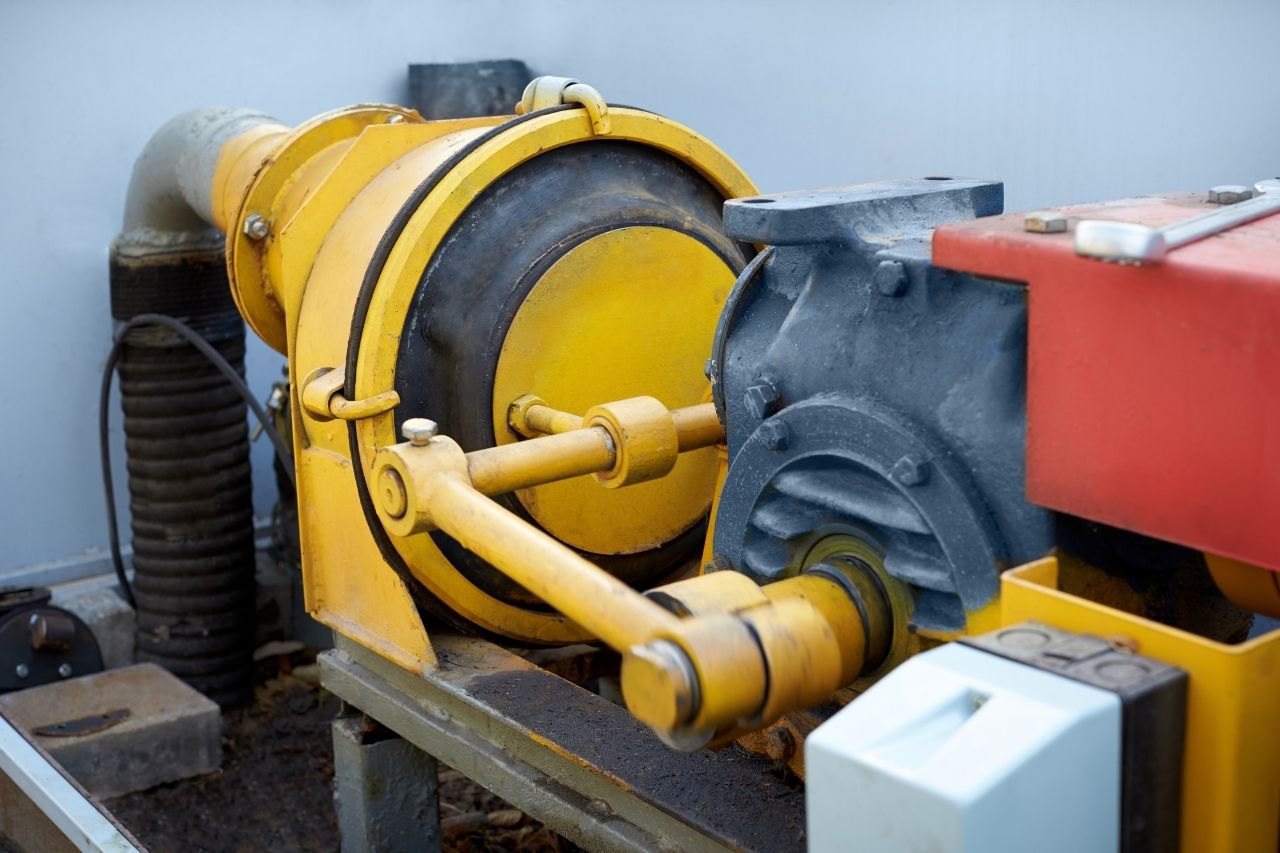
A waste-lift pump / high-drain lift pump is designed to move wastewater from lower levels of a building to a higher point, allowing it to enter the main sewer line or drainage system. Unlike standard pumps, high-drain lift pumps handle larger volumes of water and can manage heavier solids, making them ideal for commercial kitchens, multi-story buildings, or bathrooms located below the main sewer line.
Key functions of a waste-lift pump / high-drain lift pump include:
- Moving wastewater from areas that gravity alone cannot serve.
- Handling heavy drainage loads efficiently without clogging.
- Preventing wastewater backups and ensuring smooth water flow.
Understanding these functions is important because it helps homeowners and building managers know when something is off. Pumps that fail to operate correctly often show early warning signs, which should not be ignored.
Common Signs Your Waste-Lift Pump is Failing
Early detection of pump issues can save you from unexpected plumbing disasters. Here are some of the most common warning signs that your waste-lift pump / high-drain lift pump may need immediate attention:
- Unusual Noises – Humming, grinding, or banging sounds when the pump is operating often indicate internal mechanical problems.
- Frequent Overflows or Backups – If sinks, toilets, or drains are overflowing or water is pooling in unwanted areas, it may be a sign of pump failure.
- Slow Drainage – Toilets, showers, or sinks draining slower than normal could indicate the pump is struggling.
- Leaks Around the Pump Area – Water pooling near the pump housing or dampness on surrounding surfaces is a clear warning.
- Frequent Tripping of Circuit Breakers – Electrical issues may occur if the pump motor is overworked or wiring is faulty.
Observing these signs early allows homeowners or facility managers to take corrective action before the issue escalates into a full-blown emergency.
Causes Behind These Warning Signs
Identifying the underlying cause of pump problems can help prevent recurring issues. Several common factors contribute to a failing waste-lift pump / high-drain lift pump:
- Blockages – Debris, grease, or foreign objects can obstruct the pump and increase strain on its components.
- Worn-Out Components – Over time, parts like impellers, seals, and bearings can deteriorate, reducing efficiency and increasing the likelihood of breakdowns.
- Electrical Problems – Faulty wiring, a damaged motor, or inconsistent power supply can cause the pump to stop functioning properly.
- Improper Installation or Overuse – Using a pump in a setting that exceeds its capacity or installing it incorrectly can lead to frequent failures.
Understanding these causes highlights the importance of routine inspections and timely maintenance.
What to Do When You Notice These Signs
If you detect any of the warning signs listed above, acting promptly can prevent serious damage. Here’s what to do when your waste-lift pump / high-drain lift pump shows signs of failure:
- Turn Off the Pump – Prevent further damage by shutting down the pump until the issue is identified.
- Inspect for Visible Problems – Look for leaks, debris, or obstructions around the pump. However, avoid tampering with internal components if you are not experienced.
- Call a Professional – Engage a licensed plumber or maintenance service to conduct a thorough assessment and repair.
Emergency precautions you can take while waiting for professional help include:
- Avoid flushing or draining additional wastewater to reduce strain.
- Keep the surrounding area dry to prevent electrical hazards.
- Consider temporary drainage solutions, such as portable pumps or buckets, if flooding is imminent.
Prompt intervention ensures the problem doesn’t worsen, saving time, money, and potential property damage.

Maintenance Tips to Avoid Pump Failures
Preventative maintenance is the most effective way to extend the life of your waste-lift pump / high-drain lift pump. Following these tips can minimize the risk of sudden failure:
- Regular Inspections – Check the pump at least once every few months for unusual noises, vibrations, or leaks.
- Clean Strainers and Remove Debris – Keeping the pump free from blockages ensures smooth operation.
- Monitor Performance – Pay attention to slower drainage or frequent overflows, as these can indicate underlying issues.
- Replace Worn Components – Changing seals, bearings, or impellers proactively can prevent complete pump failure.
Adhering to a maintenance schedule not only improves efficiency but also prolongs the pump’s lifespan, reducing long-term repair costs.
Conclusion
A failing waste-lift pump / high-drain lift pump can quickly turn into a major plumbing emergency if ignored. Recognizing the signs—such as unusual noises, slow drainage, leaks, or frequent backups—is essential for homeowners and facility managers alike. Understanding the causes behind these issues allows for effective intervention, whether through preventative maintenance or timely professional repairs.
Taking immediate action when warning signs appear can save significant costs and prevent damage to your property. Regular inspections, proper cleaning, and attention to minor issues will ensure that your pump operates efficiently for years to come. Remember, a well-maintained waste-lift pump / high-drain lift pump not only protects your property but also ensures a smooth, reliable plumbing system for daily use.