
Introduction
Pipes are often tucked away behind walls, beneath floors, or above ceilings, quietly doing their job without much attention. Because they are hidden, most homeowners rarely think about them until something goes wrong. Unfortunately, when a leak happens in these concealed areas, it can go unnoticed for weeks or even months.
Detecting concealed pipe leaking early is important if you want to avoid costly repairs and long-term damage. A small leak may seem harmless at first, but over time it can weaken structures, encourage mold growth, and lead to expensive restoration work. Understanding the signs and knowing what to look for can make a significant difference.
What Is Concealed Pipe Leaking?
Concealed pipes refer to plumbing systems that are installed out of sight. These pipes are commonly found inside walls, under flooring, or above ceilings, making them difficult to inspect without proper tools or access. When a leak occurs in these hidden pipes, it is known as a concealed pipe leak.
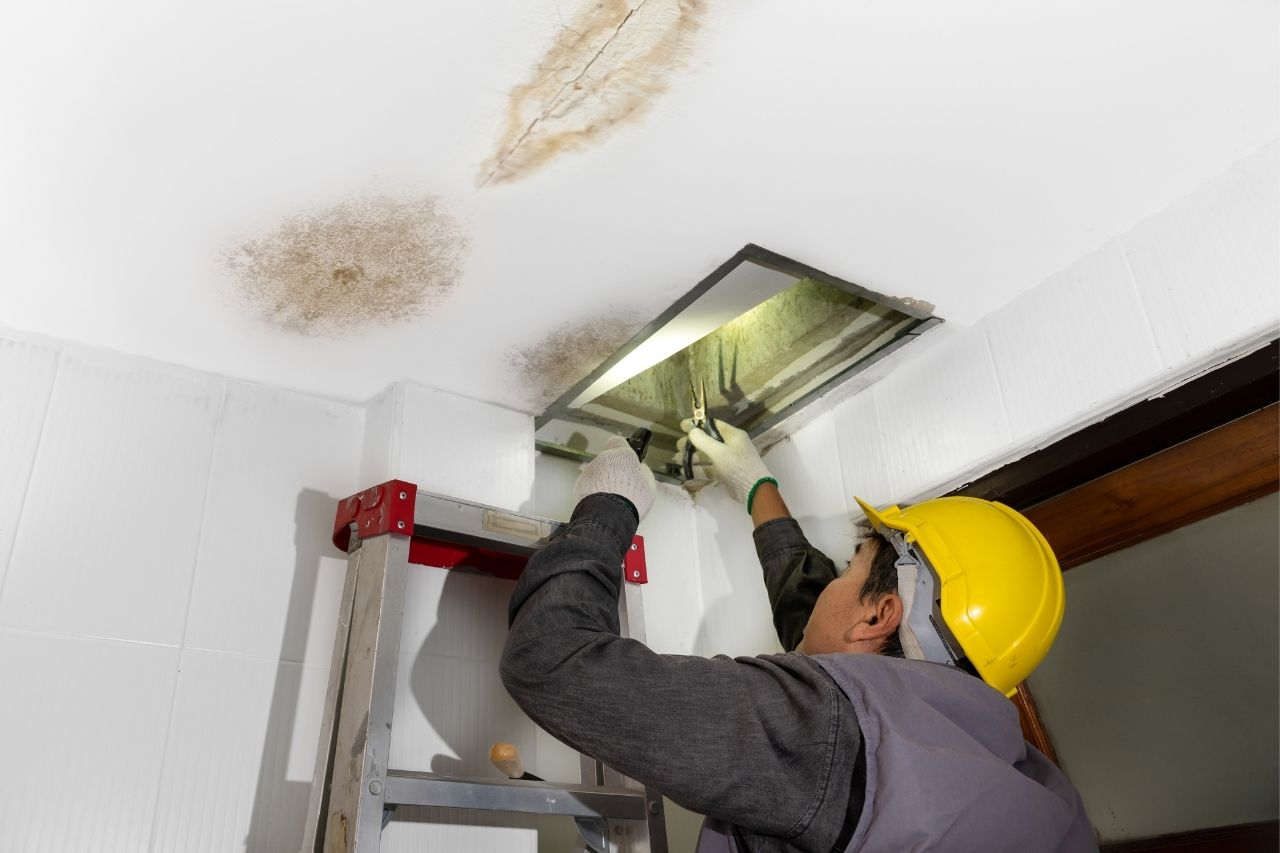
Because these leaks are not immediately visible, they tend to develop quietly. Water may slowly seep into surrounding materials, causing gradual damage that becomes noticeable only after it has spread. This is why many homeowners only discover the issue when visible symptoms appear, such as stains or damp patches.
Why Early Detection Matters
Catching a leak early can save you from dealing with bigger problems later. Hidden leaks may seem minor, but their impact can quickly escalate if ignored.
Here’s why early detection is crucial:
- Prevents structural damage: Continuous moisture can weaken walls, ceilings, and flooring.
- Reduces repair costs: Fixing a small leak is far more affordable than repairing extensive damage.
- Protects indoor air quality: Damp environments encourage mold growth, which can affect health.
- Improves water efficiency: Undetected leaks can waste a significant amount of water over time.
Being proactive helps you stay ahead of potential issues and keeps your home in good condition.
Common Signs of Concealed Pipe Leaking
Even though the pipes are hidden, leaks often leave behind subtle clues. Paying attention to these signs can help you act before the situation worsens.
Unexplained Increase in Water Bills
If your water bill suddenly spikes without any change in usage, it could be a sign that water is leaking somewhere behind the scenes. This is often one of the earliest indicators.
Damp or Discolored Walls and Ceilings
Water stains, peeling paint, or warped surfaces usually suggest moisture buildup. These signs often appear near the location of the leak, even if the pipe itself is hidden.
Musty Odors Indoors
A persistent damp or musty smell can indicate mold or mildew caused by trapped moisture. This is common in areas where ventilation is limited.
Low Water Pressure
Leaks can disrupt the normal flow of water through your pipes. If you notice weaker pressure than usual, it may be worth investigating further.
Sounds of Running Water
Hearing water flowing when all taps are turned off is another red flag. It may suggest that water is escaping from a pipe somewhere inside your home.
Simple Methods to Detect Concealed Pipe Leaking
You do not always need advanced tools to identify a potential issue. Some simple checks can help you confirm whether there is a leak.
- Water Meter Test:
Turn off all water sources in your home and observe the meter. If it continues to move, there may be a hidden leak. - Visual Inspection:
Walk around your home and look for any unusual changes such as stains, cracks, or damp spots. - Check for Mold or Mildew:
Inspect corners, cabinets, and less ventilated areas where moisture tends to accumulate. - Use a Tissue Test:
Press a tissue against suspicious areas. If it absorbs moisture, it could indicate a leak nearby.
These simple steps can give you a clearer idea of what might be happening behind your walls or floors.
Advanced Detection Techniques
When basic checks are not enough, professional tools can help pinpoint the exact location of a leak without unnecessary damage.
Specialized methods include:
- Thermal imaging cameras to detect temperature differences caused by moisture
- Acoustic devices that listen for the sound of water escaping pipes
- Moisture meters that measure the level of dampness in materials
Hiring a professional ensures accurate results and minimizes the need for guesswork. It also prevents unnecessary drilling or dismantling of structures.
What Causes Concealed Pipe Leaking?
Understanding the causes can help you prevent similar issues in the future. Most leaks occur due to a combination of factors rather than a single reason.
Some common causes include:
- Aging or corroded pipes that weaken over time
- Poor installation or low-quality materials
- Excessively high water pressure putting stress on the system
- External damage from renovations or drilling
Being aware of these factors allows you to take preventive steps and maintain your plumbing system more effectively.
What to Do If You Suspect a Leak
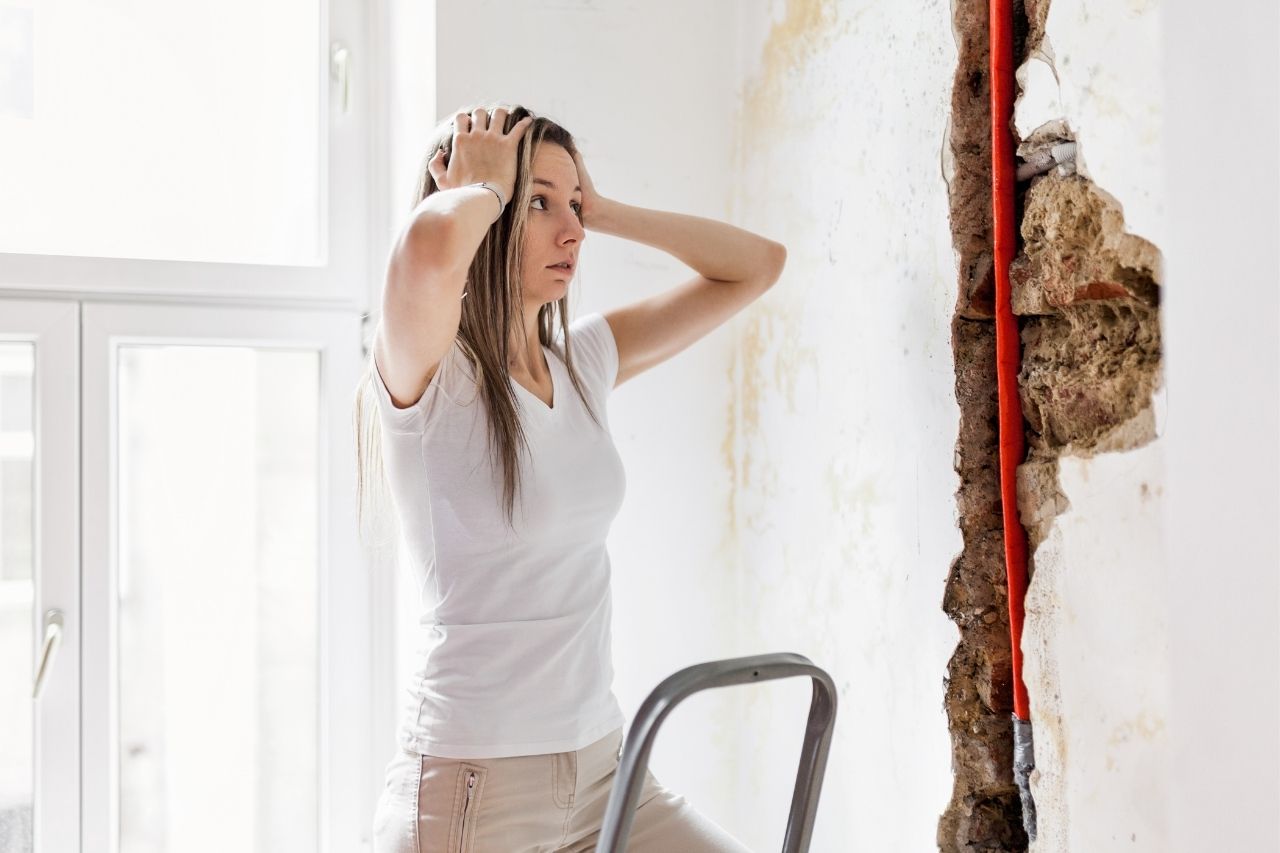
If you notice any warning signs, it is important to act quickly. Ignoring the problem can lead to more extensive damage and higher repair costs.
Here are a few steps you can take:
- Turn off the main water supply to prevent further leakage
- Avoid breaking walls or floors without confirming the source
- Contact a professional plumber for proper inspection
- Keep a record of visible damage for insurance purposes
Taking prompt action can help limit the impact and speed up the repair process.
Prevention Tips to Avoid Future Leaks
While not all leaks can be prevented, regular maintenance can significantly reduce the risk. A few simple habits can go a long way in protecting your home.
- Schedule routine plumbing inspections
- Use high-quality materials during installations or repairs
- Monitor water pressure and keep it within a safe range
- Be cautious when carrying out renovation work near pipes
Staying proactive helps you catch potential issues before they turn into major problems.
Conclusion
Hidden leaks may not be immediately visible, but their effects can be far-reaching if left untreated. By learning how to spot early signs and using simple detection methods, homeowners can stay one step ahead of potential damage. Acting quickly when something feels off can make all the difference.
Being aware of the risks associated with concealed pipe leaking allows you to protect your home, reduce unnecessary expenses, and maintain a safe living environment. With regular checks and timely intervention, you can keep your plumbing system running smoothly and avoid unpleasant surprises down the line.