
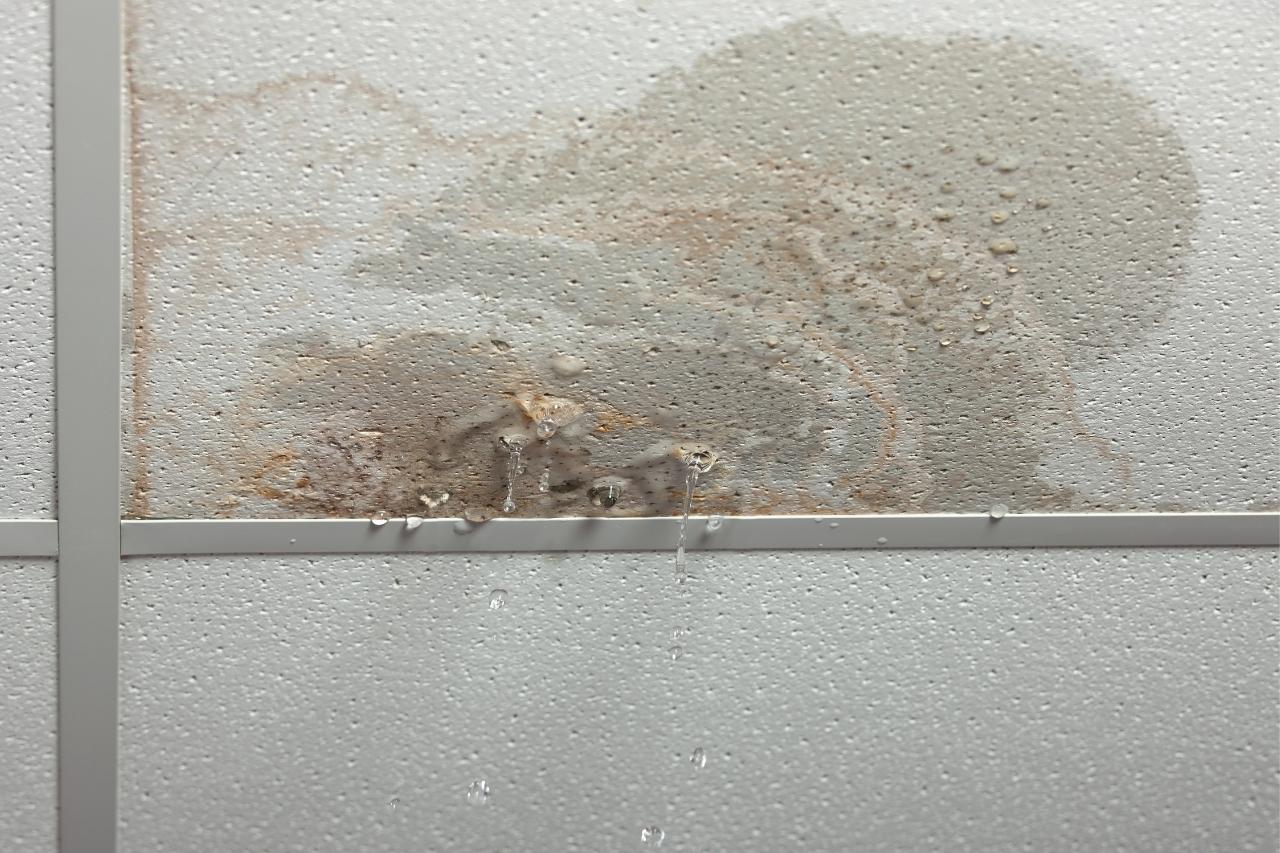
A ceiling leaking after rain can be a homeowner’s nightmare. One moment your home feels safe and dry, and the next, water stains, sagging spots, or even puddles appear on your ceiling. This common problem is not just inconvenient—it can lead to structural damage, mold growth, and costly repairs if left unaddressed. Understanding why your ceiling leaks after rainfall and how to respond effectively is crucial for every homeowner.
In this guide, we’ll explore the common causes of ceiling leaks, immediate actions to take, long-term solutions, and how professional ceiling leaking services can help prevent recurring problems.
Common Causes of Ceiling Leaking After Rain
Several factors can contribute to a ceiling leaking after rainfall. Identifying the root cause is the first step in resolving the problem.
1. Roof Damage or Missing Shingles
Your roof is the first line of defense against rainwater. Damaged shingles, cracks, or general wear and tear can allow water to seep through the roof and into your ceiling. Heavy storms can worsen pre-existing damage, leading to sudden leaks. Signs of roof-related leaks include:
- Cracked or missing shingles
- Visible sagging or soft spots in the roof
- Stains or damp patches appearing on the ceiling
Regular roof inspections, particularly before rainy seasons, can help prevent unexpected leaks.
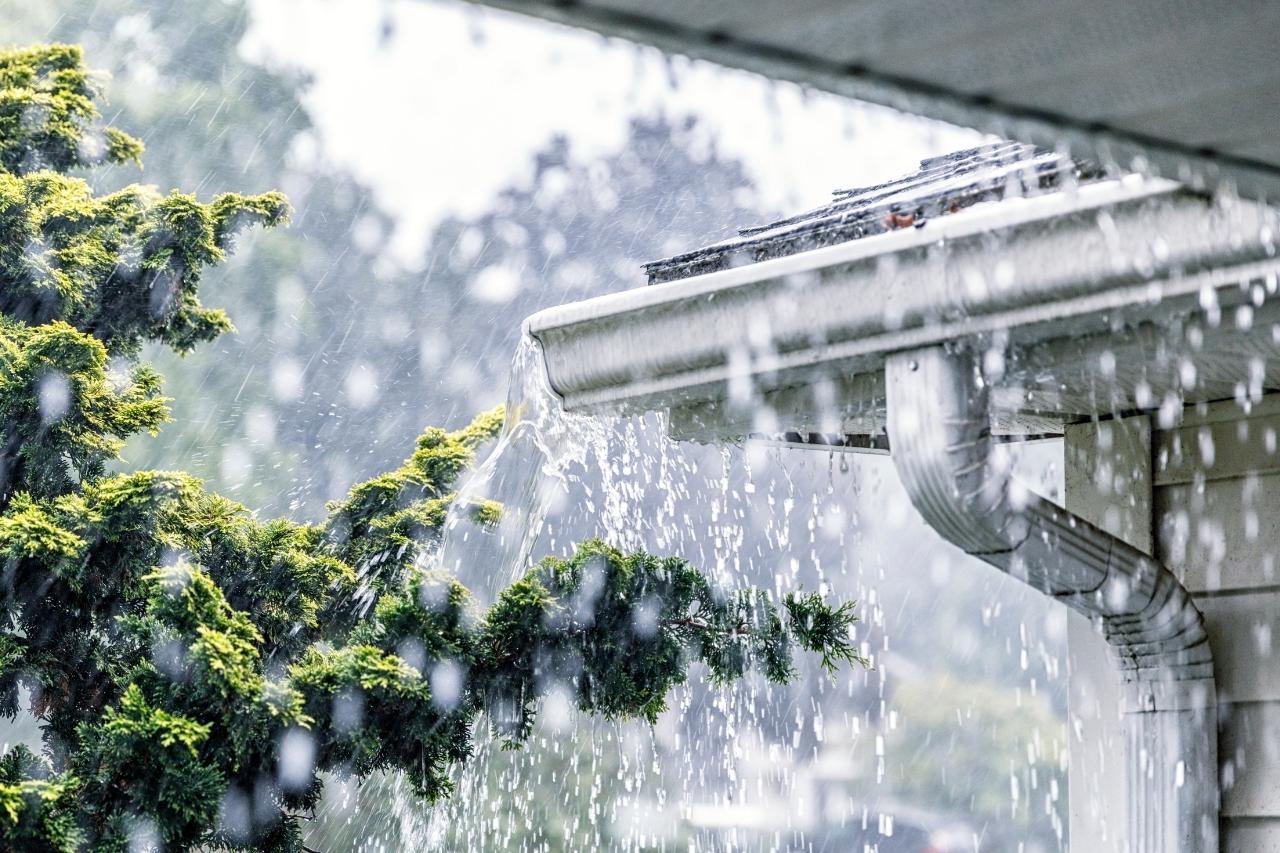
2. Clogged or Damaged Gutters
Gutters are meant to channel rainwater away from your home. When they are blocked or damaged, water can overflow and find its way into ceilings. Common gutter issues include:
- Leaves and debris accumulation
- Broken or disconnected sections
- Improper slope or installation
Cleaning your gutters at least twice a year and after heavy storms is essential to prevent ceiling leaks caused by water overflow.
3. Poor Roof Flashing Installation
Flashing is the material installed around chimneys, vents, and skylights to prevent water penetration. If flashing is installed poorly or has deteriorated, it can allow rainwater to enter your ceiling. Roof flashing issues are often subtle but can lead to persistent leaks that only appear during heavy rainfall.
4. Plumbing Issues Above the Ceiling
Sometimes, a ceiling leaking after rain may coincide with plumbing problems. Water lines running above the ceiling, such as in multi-story homes or apartments, can develop leaks that are only noticeable during heavy rainfall, when water pressure increases or structural shifting occurs.
How to Identify a Ceiling Leak
Detecting a ceiling leak early is vital to prevent further damage. Here are some key signs to watch for:
- Water stains or discoloration on the ceiling
- Peeling paint or wallpaper
- Sagging or bulging areas of the ceiling
- Musty odors indicating possible mold growth
Quickly recognizing these signs allows homeowners to act before the problem escalates, minimizing damage to walls, flooring, and furniture.
Immediate Steps to Take When Your Ceiling Leaks
When a leak occurs, taking swift action can reduce damage significantly. Consider the following steps:
- Turn off electricity: If water is dripping near electrical outlets or fixtures, cut off the power to avoid electrocution risks.
- Contain the water: Use buckets, pans, or towels to catch drips and prevent water from spreading.
- Soak up minor leaks: Towels or old rags can help absorb water from minor leaks, protecting floors and furniture.
- Temporary sealing: Waterproof tape or sealant can provide short-term protection until professional help arrives.
While these measures are temporary, they can prevent immediate damage and make it easier for professionals to assess and repair the issue.
Long-Term Solutions
Addressing the underlying cause of your ceiling leak is essential for a permanent fix. Here are effective long-term solutions:
1. Roof Repair or Replacement
Hiring a professional roofing contractor to inspect and repair your roof is often the most reliable solution. Repairs may include replacing damaged shingles, sealing cracks, or fixing deteriorated flashing. In cases where the roof is severely damaged or old, a full replacement may be necessary.
2. Gutter Maintenance
Regular maintenance of gutters and downspouts is crucial. Properly functioning gutters ensure rainwater is diverted away from your home, reducing the likelihood of ceiling leaks. Consider scheduling gutter cleaning at least twice yearly and after heavy storms.
3. Addressing Plumbing Issues
If leaks originate from plumbing lines above the ceiling, a licensed plumber should inspect and repair the issue. Plumbing problems may include:
- Loose or broken pipes
- Corrosion in water lines
- Faulty joints or seals
Professional ceiling leaking services often include plumbing inspections, ensuring that leaks are identified and repaired accurately, preventing recurrence.
4. Ceiling Repair and Mold Prevention
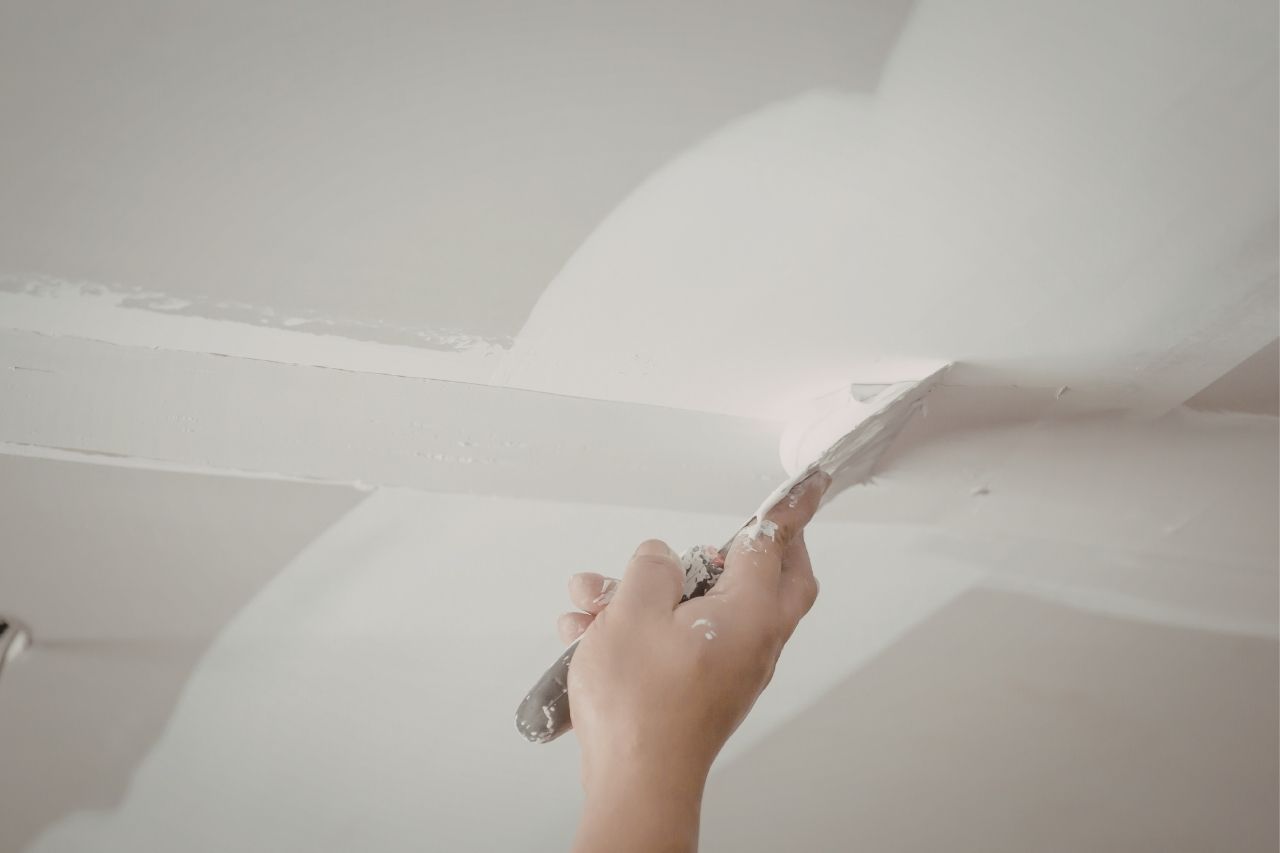
After the leak is fixed, repairing the affected ceiling area is essential. Steps include:
- Drying the ceiling thoroughly to prevent mold growth
- Replacing damaged drywall or plaster
- Treating the area with mold-resistant solutions if necessary
Taking these measures ensures your ceiling remains safe, clean, and visually appealing.
Preventing Future Ceiling Leaks
Prevention is always better than repair. Simple maintenance and proactive measures can reduce the risk of future ceiling leaks:
- Regular roof inspections: Check for damaged shingles, cracks, or signs of wear before the rainy season.
- Maintain gutters: Clean gutters and downspouts regularly to ensure proper water flow.
- Check attic insulation and water barriers: Proper insulation helps prevent condensation-related leaks.
- Consider waterproof roof coatings: Modern coatings can protect your roof from heavy rainfall and extend its lifespan.
Implementing these preventive steps not only protects your ceiling but also safeguards the overall integrity of your home.
When to Call a Professional
While minor leaks can sometimes be addressed with temporary fixes, professional intervention is recommended in the following scenarios:
- Large or persistent leaks
- Structural damage, such as sagging ceilings or weakened beams
- Electrical hazards near leak points
- Signs of mold growth or water damage spreading
Licensed contractors offering ceiling leaking services are equipped to handle everything from roof inspections to complete ceiling repairs. Their expertise ensures that leaks are resolved permanently, saving homeowners time, stress, and money.
Conclusion
A ceiling leaking after rain can start as a small, seemingly harmless issue but quickly escalate into a costly problem if ignored. Understanding the causes—whether roof damage, clogged gutters, poor flashing, or plumbing issues—allows homeowners to act decisively. Immediate measures like containing water and turning off electricity, combined with long-term solutions and professional ceiling leaking services, ensure your home remains safe and dry.
Regular maintenance, timely inspections, and prompt repairs are the keys to preventing future leaks. By taking these proactive steps, homeowners can protect their ceilings, avoid mold growth, and maintain the structural integrity of their homes for years to come.