
Underground plumbing is something most homeowners rarely think about—until something goes wrong. Unlike visible leaks under a sink or behind a wall, problems beneath the ground tend to stay hidden until the damage becomes difficult to ignore. An underground pipe leaking issue can quietly develop over time, slowly affecting your home, your yard, and even your monthly expenses. Knowing what to look out for and how to respond can make a significant difference in preventing long-term damage.
What Is Underground Pipe Leaking?
At its core, underground pipe leaking refers to any water or sewage escaping from pipes buried beneath the surface of your property. These pipes are responsible for carrying clean water into your home and directing wastewater away. Because they are hidden, issues can go undetected for weeks or even months.
Most residential properties rely on a network of underground systems, including water supply lines, sewer pipes, and irrigation systems. When one of these pipes fails, the signs may not appear immediately. Instead, they often show up gradually, making early detection more challenging compared to indoor plumbing issues.
Common Causes of Underground Pipe Leaking
Understanding why leaks happen is the first step toward prevention. There isn’t just one cause—most cases are the result of a combination of factors that build up over time.
Older homes, for instance, tend to have aging pipes that are more prone to corrosion. Materials like metal can weaken after years of exposure to moisture and minerals in the soil. Ground movement is another common factor. Soil naturally shifts due to weather changes, construction activity, or even nearby traffic vibrations, which can place stress on pipes.
Tree roots are also a major contributor. Roots naturally grow toward moisture sources, and underground pipes often provide exactly what they need. Over time, roots can invade small cracks and expand them into larger leaks. Poor installation practices or the use of low-quality materials can further increase the risk, especially if the pipes were not properly secured during installation.
Warning Signs Homeowners Should Watch For
Since these leaks are hidden, recognizing the early warning signs is essential. Many homeowners overlook subtle changes, assuming they are minor issues, but these clues can point to something more serious happening underground.
Here are some common signs to keep in mind:
- A sudden and unexplained increase in your water bill
- Wet or unusually soft patches in your yard
- A noticeable drop in water pressure inside your home
- Cracks appearing in walls, driveways, or flooring
- The sound of running water when no fixtures are in use
Other less obvious signs may include patches of grass that appear greener than the surrounding area or persistent damp smells near certain parts of your property. Paying attention to these details can help you act before the problem escalates.
Why It’s a Serious Problem
It’s easy to underestimate the impact of a hidden leak, especially when everything inside your home seems to be working fine. However, the consequences of underground pipe leaking can be far-reaching.
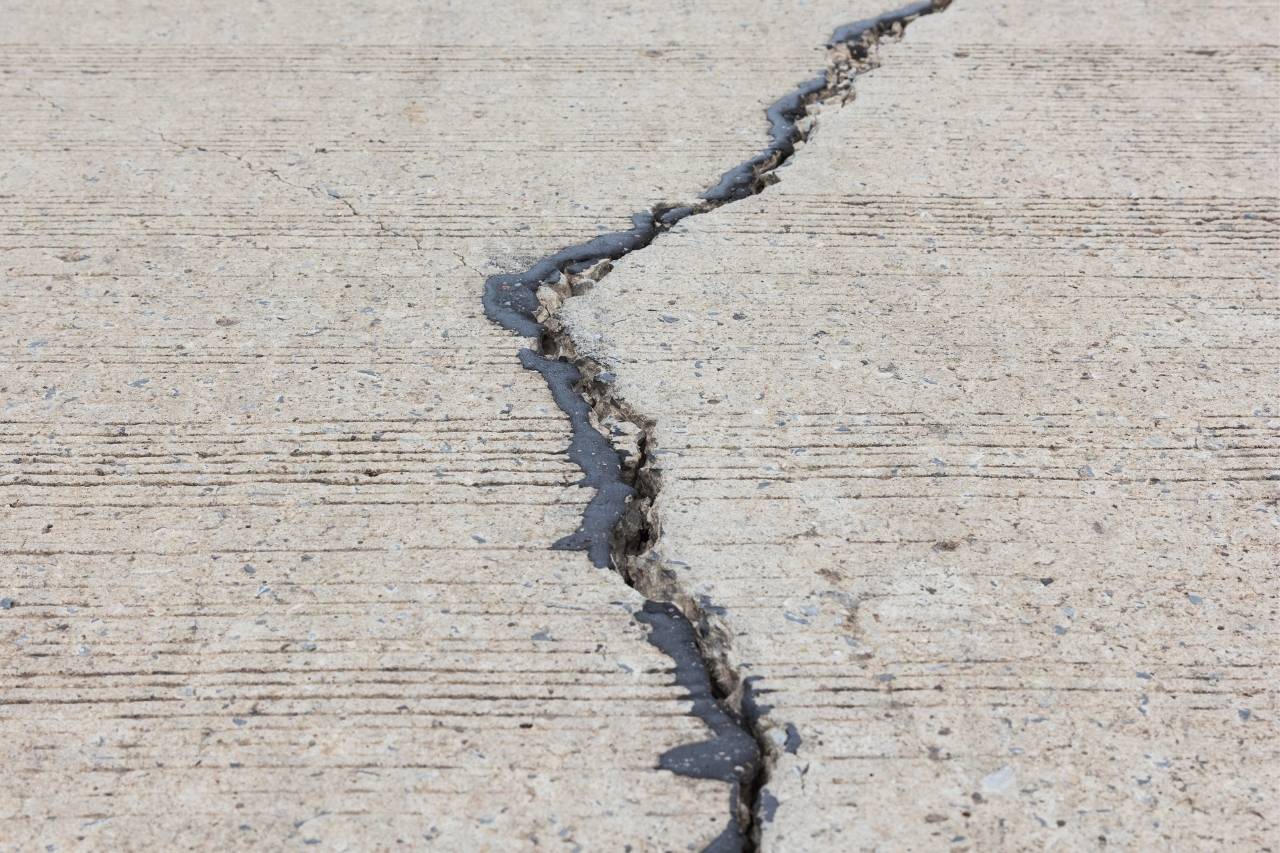
Water that escapes into the soil doesn’t just disappear—it can weaken the structural integrity of your property. Over time, excess moisture may affect your home’s foundation, leading to cracks or uneven surfaces. In more severe cases, it can even result in partial structural failure.
Beyond structural concerns, there’s also the issue of water waste. A small, continuous leak can add up to a significant amount of wasted water, which directly impacts your utility bills. There’s also the potential for mold and mildew growth, especially if the moisture begins to seep into indoor areas. These conditions can pose health risks, particularly for individuals with allergies or respiratory issues.
How Professionals Detect the Problem
Finding the exact source of an underground leak requires more than guesswork. While some homeowners attempt to locate leaks on their own, professional plumbers use specialized tools designed for accuracy and efficiency.
Modern detection methods are both precise and minimally invasive. Instead of digging up large sections of your yard, professionals rely on technology to pinpoint the problem area. Common techniques include:
- Acoustic listening devices that detect the sound of water escaping from pipes
- Thermal imaging to identify temperature differences caused by moisture
- CCTV inspections that allow plumbers to visually examine the inside of pipes
These methods not only save time but also reduce the need for unnecessary excavation. In many cases, the issue can be identified quickly without causing major disruption to your property.
Repair Options Available
Once the problem has been located, the next step is choosing the right repair method. The approach depends on the severity of the leak, the condition of the pipe, and the surrounding environment.
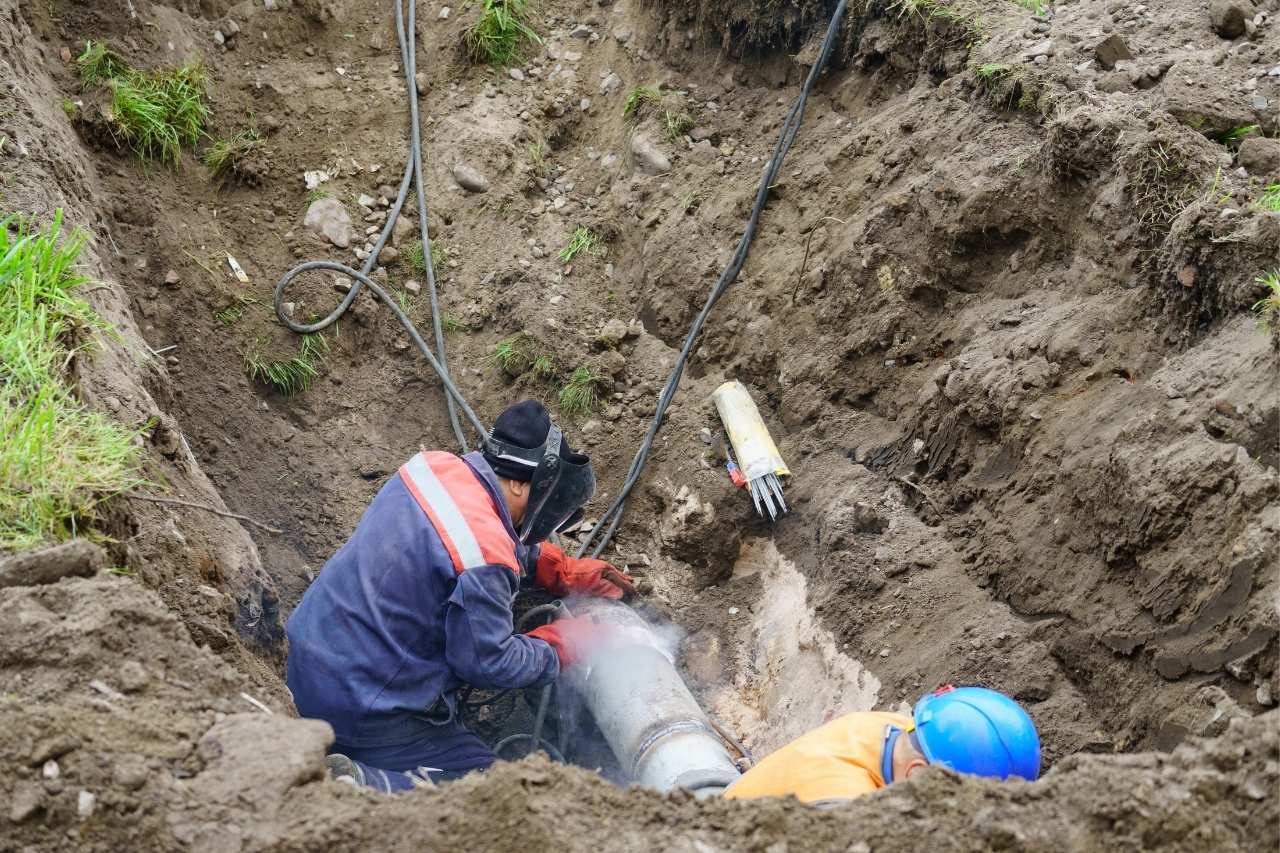
For minor issues, a simple spot repair may be enough. This involves fixing a specific damaged section of the pipe. In cases where the damage is more extensive, pipe relining is often recommended. This method involves inserting a new lining into the existing pipe, effectively creating a new pipe within the old one.
More severe damage may require full pipe replacement. While this is typically the most invasive option, it is sometimes necessary to ensure long-term reliability. Each method has its own advantages, and a professional plumber can help determine the best solution based on your situation.
Preventing Future Problems
While not all leaks can be avoided, there are steps homeowners can take to reduce the risk. Prevention often comes down to regular maintenance and being mindful of what’s happening around your property.
Some practical tips include:
- Scheduling routine plumbing inspections
- Avoiding planting large trees near underground pipelines
- Keeping an eye on your water pressure levels
- Using durable, high-quality materials for any plumbing upgrades
Small actions like these can go a long way in preventing unexpected issues and extending the lifespan of your plumbing system.
When to Call a Professional
Knowing when to seek help is just as important as recognizing the signs. Some situations may seem minor at first but can quickly turn into major problems if left unchecked.
If you notice consistent warning signs or suspect that something isn’t right, it’s best to act early. Delaying repairs often leads to higher costs and more extensive damage. Professionals not only have the tools to diagnose the issue accurately but also the expertise to fix it efficiently.
Even if the problem turns out to be minor, having peace of mind is worth the effort. It’s always better to confirm than to assume everything is fine.
Conclusion
Dealing with hidden plumbing issues can feel overwhelming, especially when the signs are subtle and the source is out of sight. However, understanding how underground pipe leaking occurs and what to look for can help you stay one step ahead.
By paying attention to early warning signs, seeking professional help when needed, and taking preventive measures, homeowners can protect both their property and their finances. A proactive approach doesn’t just save money—it also ensures your home remains safe, stable, and comfortable for years to come.